When did you last audit your recruitment workflows? Practical audit tips for busy TA teams

Posted: 22 Oct 2026
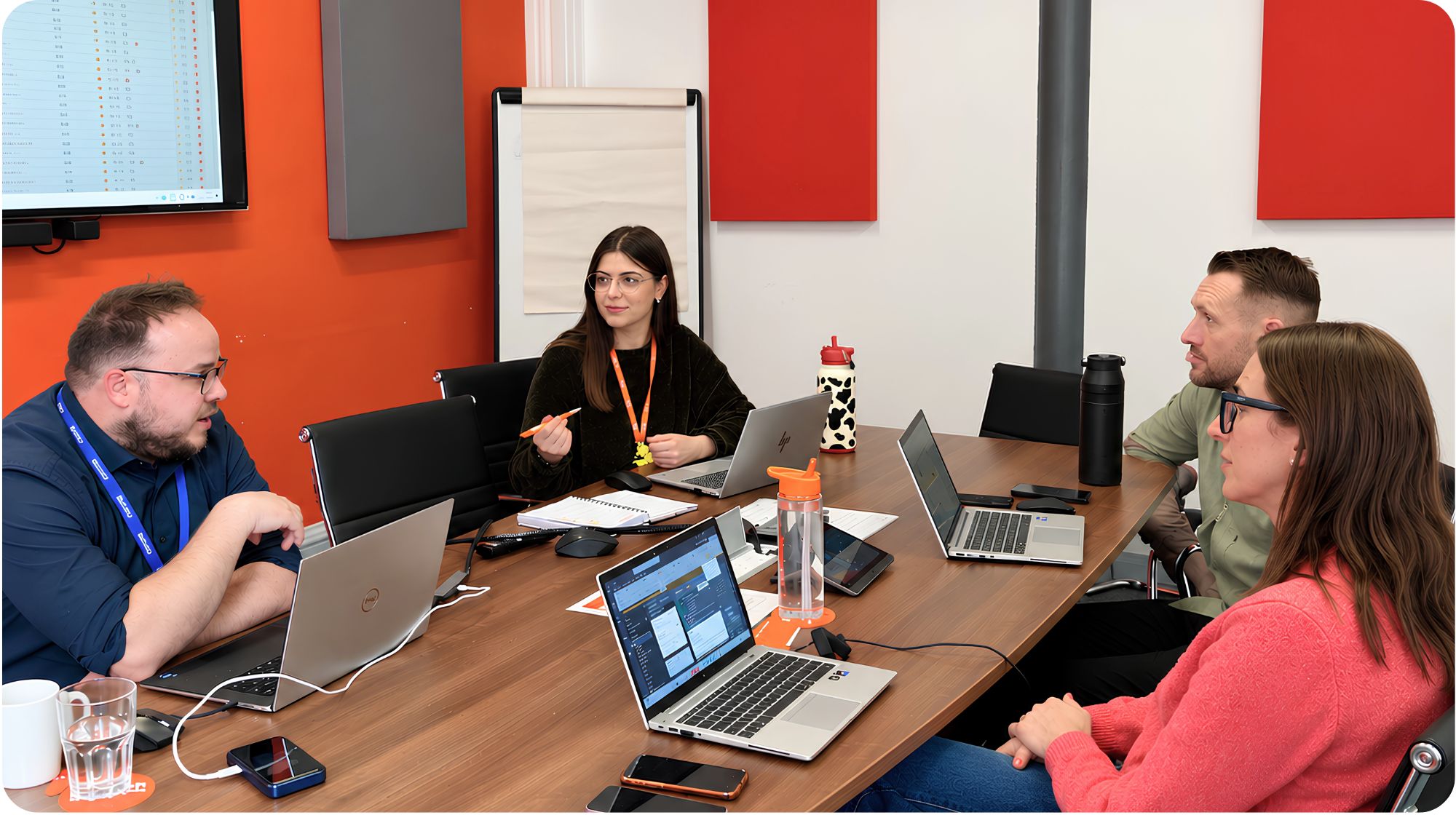
A group of colleagues are sat around a meeting table in discussion

How often do you audit your recruitment workflows? Quarterly, annually, or only when you get new applicant tracking software?

Like check-ups at the dentist, or servicing your car, regular workflow audits are really important. They keep your hiring process healthy and fit for purpose.

This blog is a whistle-stop tour of how to audit your HR workflows. Where to start, what to look out for, and the simple steps you can take to optimise your process.

Because well-thought-out workflows improve performance and give HR teams even more control over their hiring.

Why audit regularly?

Over time, hiring workflows often accumulate stages, approvals and forms. Eventually these changes impact recruitment outcomes, increasing time to hire and making the hiring process feel sluggish and cumbersome.

When applicant tracking system (ATS) workflows aren’t optimised, teams often have to resort to manual workarounds. These makeshift solutions might work in the short term but can lead to more admin over time for busy teams. And of course, when confidential personal data is used outside of secure hiring software, organisations are exposed to compliance risk.

While this is all happening, your company is changing too. Organisational developments might mean there are new departments or HR team members. New job roles and different approaches to hiring can quickly add extra stages to your workflows and impact efficiency.

HR workflows that are regularly reviewed work better. They’re more efficient – speeding up time to hire, giving you fewer compliance surprises and reducing admin. Workflow audits don’t need to be hugely time-consuming, and will quickly pay dividends in terms of hiring outcomes.

How do I audit my applicant tracking system workflow?

Auditing your recruitment workflow shouldn’t feel overwhelming. And when you’ve done it once, you’ll find it quicker to review each time as you’ll know exactly what you’re looking for. It boils down to three simple steps (and some thought-provoking questions).

Step One: Map every stage of your process from requisition to onboarding.

This is the easy bit, but you’ll probably still find a few surprises here. When you lay out your process like this you might already begin to see areas that feel overly complex or long-winded.

Step Two: Ask the right questions.

For each stage you’ve mapped out ask:

  • Does this need to happen, or is this stage now redundant?
  • If this needs to happen, is it happening at the right point in the process?
  • Could adding information improve efficiency?
  • How is the information we gather used, and by whom?

Step Three: Look for red flags.

What if anything feels clunky, unnecessary or out of place to you?

Consider:

  • Duplicated activity
  • Unnecessary layers of approvals
  • Where candidates sit between stages
  • Where recruiters have to manually chase
  • Anything that happens outside of your ATS software
  • Where your team or hiring managers have had to create workarounds
  • Repetitive candidate communications

Tip: One workflow might not suit all roles. If you have temporary or entry-level roles, do they really need the same level of application as permanent or specialist roles? Consider fast apply workflows that remove approval levels and speed up hiring for these vacancies.

Should I automate my entire hiring workflow?

In short, not necessarily. The team at Reach always advises fixing the underlying process before looking at automation. Once you’ve spotted and fixed process issues, you can then look at where bottlenecks exist and consider if further automation would help.

It’s also important to consider where the human touch might be better. For the purposes of compliance and data protection, processes should ideally live inside your applicant tracking system, but there will always be key stages in your workflow where the personal touch reigns supreme. That might be a conversation about reasonable adjustments, or the call to say they’ve got the job. Automation is great, but there’s nothing quite like that human touch to connect with candidates. It is called ‘Human’ Resources after all.

Are you getting the best out of your ATS?

Once you’ve gone through your audit, fixed any underlying issues and decided what needs more automation and what needs less, it’s time to look at your hiring software.

Are you using all the current functionality your software offers? Is there anything available that might further improve your applicant tracking system’s workflow? A good ATS partner will always tell you what’s coming up on the development roadmap.

At Reach ATS the team is constantly developing the software and regularly asking clients for feedback on what they need, and what they think will further optimise their workflows. Are you having those conversations with your supplier?

“Our systems have been created by experts to suit the needs of Sense, and the bespoke design is absolutely key to the success of the system. So built with customisation and flexibility, Reach can adapt to the diverse and evolving requirements of our organisation.”
– Emma Evans, Chief People Officer, Sense

Another thing to consider is training. Are all your HR team and hiring managers comfortable using your hiring software? Most providers will offer online or in-person training at implementation, and some offer ongoing training too. Could any of your team use a refresher course? Do you have new starters who need training?

And on the subject of new starters, fresh eyes on your workflows are invaluable. A new team member will often be able to give you great feedback on what they thought worked well, or what they were surprised by. Listen to them.

Have you booked your next check-up?

When you go to the dentist, they usually book your next check-up before you leave the building. Left to our own devices, this is probably something that would quickly float down to the bottom of most of our to-do lists or worse, get forgotten until we’re suddenly in agony. Don’t let this happen to your workflow audit.

Regular workflow audits give HR teams so much more control over the entire hiring process. You know what’s going on at each stage and why. And if you get a sudden request to add an approval or form into the ATS workflow, you’ll know exactly what questions to ask.

If you’d like to read more about applicant tracking system workflows, why not read some of the other Reach blogs on workflows: Finding your Flow – How an ATS can Improve HR Workflow or Hiring Under Control: What your Applicant Tracking System should actually do.

Because each bespoke Reach ATS is fully customisable, you can adapt your workflow as your recruitment process changes.

Want to know more? Then please Reach out.